

Vapor Intrusion Mitigation Innovations: Staying Ahead of the Curve
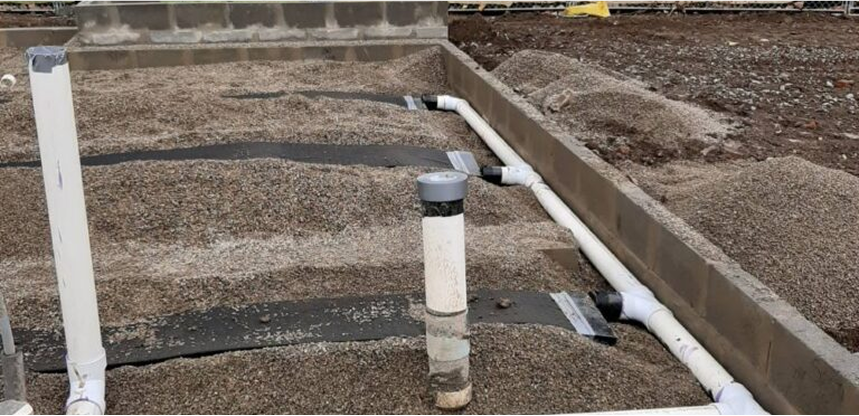
Effective vapor intrusion mitigation relies on staying current with the latest advancements in materials and technologies. The industry is constantly evolving, driven by the need for more robust, cost-effective, and easier-to-deploy solutions that can stand up to real-world construction demands. Today, vapor intrusion mitigation innovations are centered on high-performance barrier systems, advanced liquid-applied coatings, and […]
Vapor Barriers: A Solid Investment for Long-Term Property Value

Vapor barriers are a critical, often overlooked, component in protecting and enhancing a property’s long-term vapor barrier property value. By effectively controlling moisture intrusion, these barriers prevent a cascade of issues—from structural degradation and mold growth to reduced indoor air quality—all of which can significantly diminish an asset’s worth and appeal. For real estate investors, […]
Don’t Let Vapor Barrier Installation Derail Your Project: Field Fixes for Common Mistakes
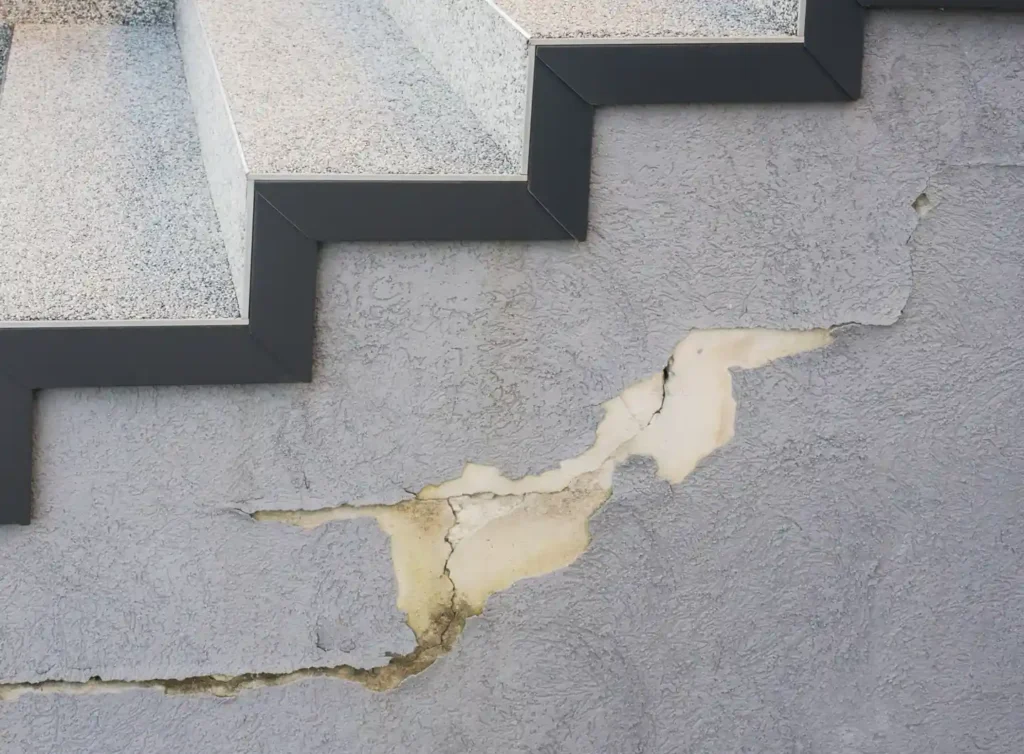
When it comes to environmental mitigation, vapor barriers are a critical line of defense. But even the best materials are only as good as their installation. The most common vapor barrier installation mistakes often stem from overlooking details on the job site, leading to compromised systems and project headaches. Getting it right the first time […]
Project Planning Checklist: Preparing Sites for Vapor Barrier or Ventilation System Installation

Getting a site ready for vapor barrier or ventilation system installation is crucial for hitting deadlines and ensuring proper system function. A solid vapor barrier installation checklist is your best defense against costly rework and schedule slips. This guide lays out the practical steps to prep your site, ensuring our crews can deploy efficiently, lay […]
The Science Behind Sub-Slab Ventilation Systems: Airflow Mechanics Made Simple

A sub-slab ventilation system works by creating a controlled pressure differential beneath a building’s foundation, effectively drawing soil gases like radon or methane away from the structure and safely venting them to the atmosphere. It’s a direct, no-nonsense approach to managing subsurface contaminants, relying on proven airflow mechanics to keep indoor air quality where it […]
Radon in Commercial Buildings: Hidden Risks for Warehouses and Industrial Facilities

Ignoring radon in commercial buildings, especially non-office structures like warehouses and industrial facilities, is a gamble no operator should take. While often associated with residential homes, this invisible, odorless radioactive gas poses significant, often overlooked, health risks and compliance challenges in larger commercial footprints. Understanding these dangers and acting decisively is critical for protecting personnel […]
Radon Risks in Commercial Buildings: Overlooked Hazards

Radon, an invisible, odorless, and radioactive gas, presents significant, often overlooked, health and operational risks in commercial buildings. While commonly associated with residential homes, radon risks commercial buildings just as acutely, posing a serious threat to employees, tenants, and long-term property value. Ignoring this silent contaminant can lead to substantial health liabilities and unexpected operational […]
Passive vs. Active Sub-Slab Systems: Understanding Performance Differences

When tackling vapor intrusion concerns below a building’s slab, the choice between a passive vs active sub-slab system is critical for long-term effectiveness. The fundamental difference lies in their operational mechanism: passive systems rely on natural convection and pressure differentials, while active systems employ mechanical fans to create a consistent, engineered depressurization. This distinction directly […]
Methane Mitigation: When Regulations Demand Action

Methane mitigation is required when building on sites with a risk of methane intrusion, primarily driven by regulatory mandates designed to protect occupants and structures from explosion hazards and health risks. For developers, understanding these methane mitigation requirements isn’t just about compliance; it’s about safeguarding projects, meeting deadlines, and ensuring long-term asset value. Ignoring potential […]
Methane Mitigation: New Construction vs. Retrofit – What Builders Need to Know
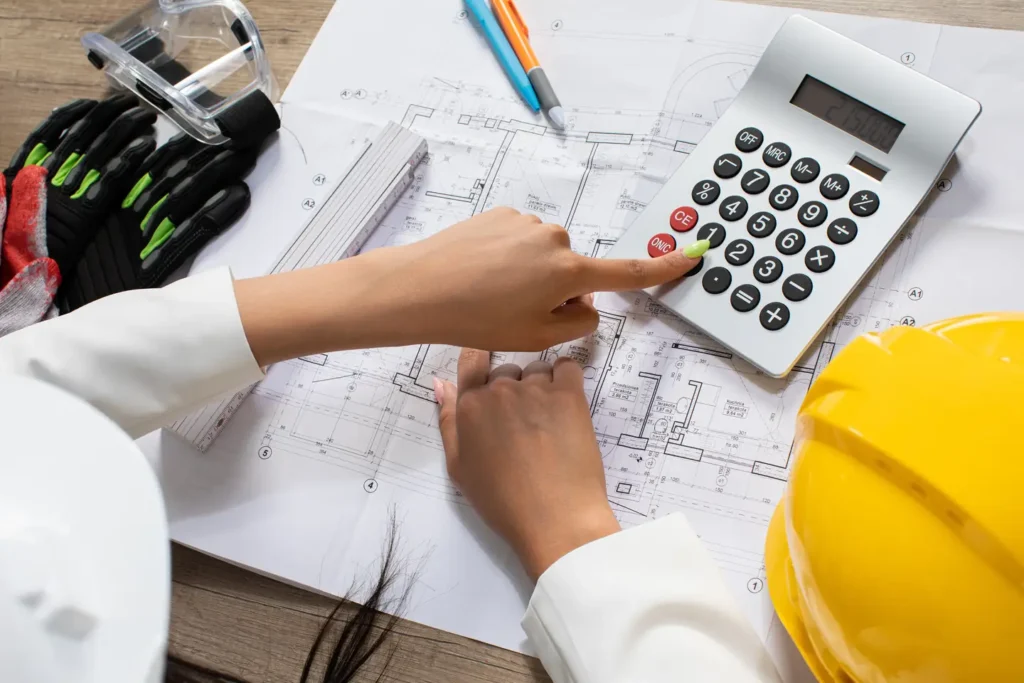
When faced with methane mitigation, builders primarily encounter two scenarios: new construction and retrofit projects. The core difference boils down to access and timing, which significantly impacts design flexibility, installation methodologies, and ultimately, the bottom line. Methane mitigation new construction allows for integrated, often more efficient system designs and installation before slabs are poured, while […]