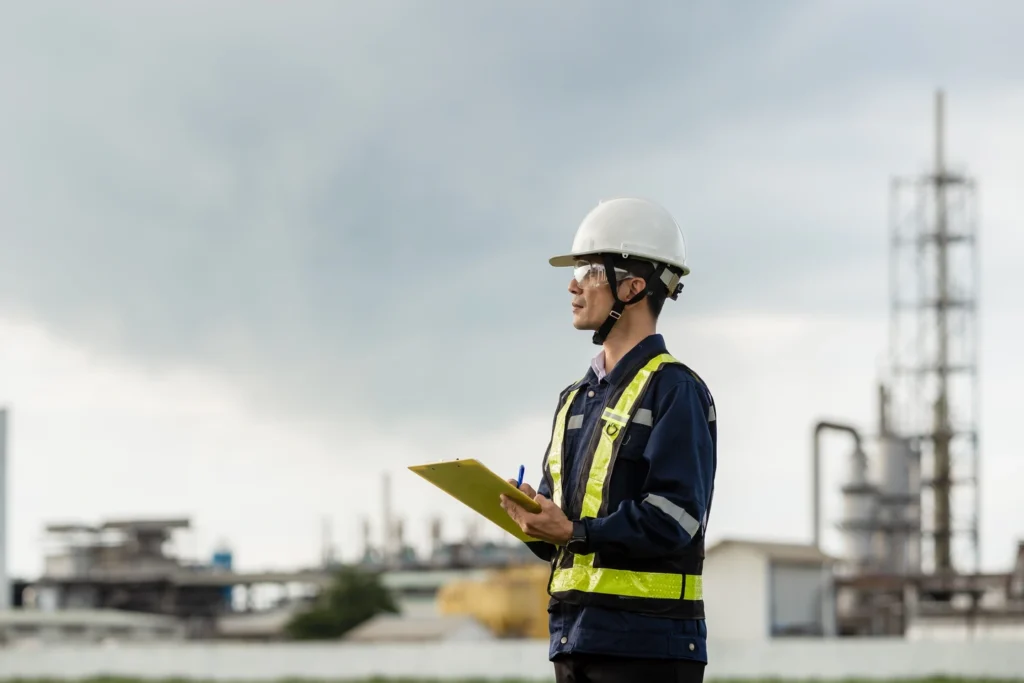

Methane mitigation is required when building on sites with a risk of methane intrusion, primarily driven by regulatory mandates designed to protect occupants and structures from explosion hazards and health risks. For developers, understanding these methane mitigation requirements isn’t just about compliance; it’s about safeguarding projects, meeting deadlines, and ensuring long-term asset value. Ignoring potential methane pathways can lead to costly delays, project redesigns, and significant safety liabilities.
Unpacking the Regulatory Triggers for Methane Mitigation
When does the meter start ticking for methane mitigation? It largely boils down to the site’s history and geology. Building codes and environmental regulations, often at the state or local level, pinpoint specific conditions that trigger the need for a methane barrier system. It’s not a blanket requirement; it’s a site-specific mandate.
Historic Land Use: The Hidden Hazard
Many sites that once served as landfills, industrial waste disposal areas, or even agricultural lands treated with certain chemicals can generate methane gas. When you’re looking at developing brownfield sites or areas with a documented history of waste deposition, local authorities will almost certainly flag it for methane assessment. This isn’t just about large municipal landfills; smaller, unrecorded dumps can be significant contributors. The presence of decaying organic matter, even decades old, is a prime methane factory.
Geologic Conditions: Natural Gas Seeps
Beyond human activity, natural geological formations can also release methane. Areas with underlying shale, coal seams, or petroleum deposits can naturally off-gas methane. While less common in urban development zones, developers working in regions known for such geology need to be aware. A thorough geotechnical survey isn’t just for structural integrity; it’s also a critical first step in identifying potential gas hazards.
Local Building Codes and Environmental Ordinances
This is where the rubber meets the road for most developers. Many jurisdictions, particularly in densely populated areas or regions with a history of environmental concerns, have specific ordinances. These might mandate methane investigations and, if gas is detected, mitigation systems for any new construction or significant renovation projects. These codes often reference standards set by the EPA or industry bodies like ANSI/AARST. Staying ahead of these local requirements is non-negotiable; they dictate what you can and cannot build, and how.
The Site Assessment: Proving the Need (or Lack Thereof)
Before any mitigation system goes in, a comprehensive site assessment is the crucial first step. This isn’t guesswork; it’s a scientific process designed to measure the actual risk.
Phase I and Phase II Environmental Site Assessments
Most developers are familiar with Phase I ESAs, which review historical records and site reconnaissance. If a Phase I identifies potential methane sources, a Phase II ESA is typically mandated. This involves intrusive investigations: drilling boreholes, installing gas probes, and continuous monitoring of gas concentrations (methane, carbon dioxide, oxygen, hydrogen sulfide) over time. The goal is to quantify the methane generation rate and potential for migration. This data directly informs the design of any required mitigation system.
Risk Assessment and Action Levels
Based on the Phase II data, environmental consultants perform a risk assessment. This evaluates the potential for methane to accumulate in a structure at hazardous levels. Local codes often define “action levels” – specific concentrations of methane (e.g., 5% by volume in soil gas) or flow rates that trigger the need for active or passive mitigation. If your site’s numbers exceed these action levels, a mitigation system moves from a “maybe” to a “must.”
What Methane Mitigation Entails: A Brief Overview
Once triggered, methane mitigation typically involves a multi-pronged approach to prevent gas from entering a building.
Passive and Active Systems
- Passive Systems: These rely on natural pressure differentials and venting to direct methane away from a structure. Components often include a gas-permeable layer (like a gravel bed), a high-performance vapor barrier, and passive vents that allow gas to escape safely to the atmosphere.
- Active Systems: For higher methane concentrations or more complex sites, active systems utilize mechanical fans to draw gas from beneath the barrier and vent it. These systems require power and ongoing monitoring.
The Critical Role of the Barrier
At the heart of nearly every methane mitigation system is a high-performance vapor barrier. This isn’t just any sheet of plastic; it’s a specialized, multi-layered membrane designed to resist gas diffusion. Proper installation of this barrier – including meticulous seaming, detailing around penetrations, and rigorous quality control – is paramount to the system’s effectiveness. A breach in the barrier is a breach in protection.
Don’t Let Methane Derail Your Timeline
For developers, time is money. Discovering methane issues late in the game can bring a project to a screeching halt, trigger expensive redesigns, and push back occupancy dates. Proactive planning and a clear understanding of methane mitigation requirements are essential. Engage with environmental consultants early, understand the local regulatory landscape, and partner with installation specialists who are built for speed and precision.
When schedules are tight and execution can’t falter, you need an installation partner who understands the construction reality of these complex systems. Getting the methane barrier installed right, on schedule, and to spec is critical for project momentum. It’s about getting the job done right, the first time, so your project stays on track.